Autopsy of a Bargain: The Hidden Limits of the MOZC Q68 Pro
Update on Dec. 13, 2025, 10:48 a.m.
Reviewer Blazius loved the sound but faced a fatal flaw: “After three months, the right earbud will no longer keep a charge.” Another user, Ñ, noted succinctly: “Mic is not audible while talking on phone.”
These aren’t random defects. They are the predictable outcomes of Engineering Trade-offs in the sub-$20 category. By understanding the physics of these failures, you can extend the life of your MOZC Q68 Pro far beyond the average “disposable” cycle.
The Silent Killer: Galvanic Corrosion
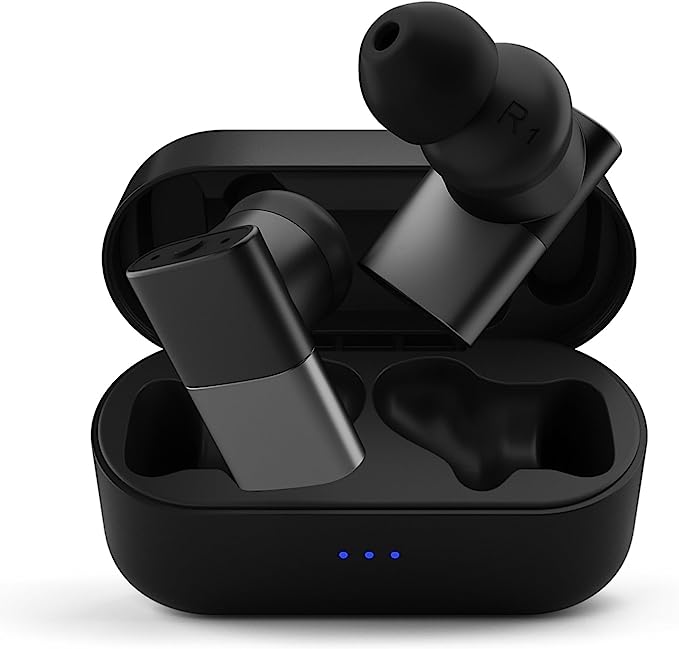
The most common death for workout earbuds isn’t drops; it’s chemistry. The MOZC Q68 Pro uses Gold-Plated Pogo Pins in the case and recessed contacts on the buds to charge.
When you exercise, sweat (a saline electrolyte) accumulates in these recessed contact points. If you drop the earbuds into the case while they are still damp, you create an electrolytic cell. The 5V charging current accelerates Galvanic Corrosion (Chemistry), creating a non-conductive oxide layer (often green or black) on the pins.
This acts as an insulator. The case thinks the earbud is fully charged (or doesn’t detect it at all), and the earbud battery slowly drains to zero, eventually entering a deep discharge state from which it cannot wake up.
Field Note: The Isopropyl Ritual. Once a week, dip a Q-Tip in >90% Isopropyl Alcohol and vigorously scrub the contacts on both the earbuds and the case pins. This removes the invisible oxide film and restores the electrical handshake.
IP7 vs. The Shower: A Molecular Misunderstanding
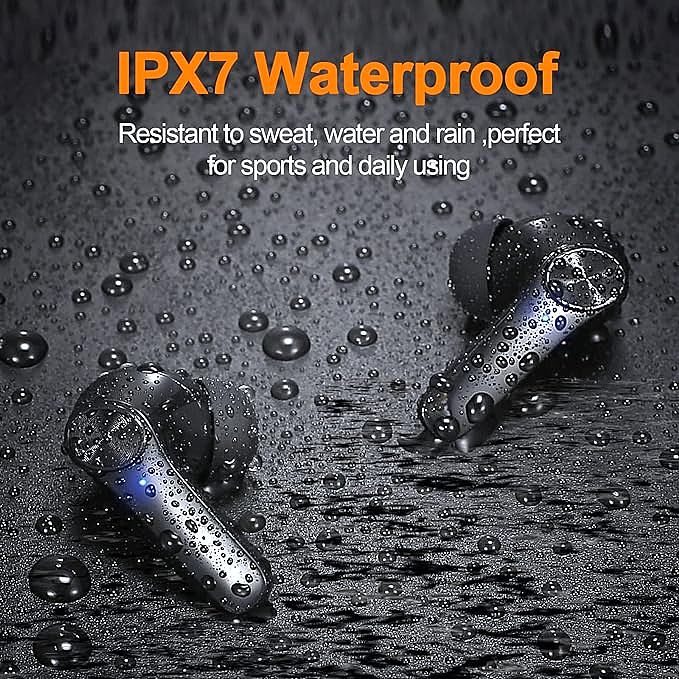
The Q68 Pro boasts an IP7 Waterproof Rating, achieved via Nano-Coating (Thesis). This hydrophobic layer repels liquid water molecules, preventing short circuits if you drop them in a puddle.
However, many users assume this means they can wear them in the shower or sauna. This is fatal. Water vapor (steam) particles are significantly smaller and have higher kinetic energy than liquid water. They can penetrate microscopic gaps in the casing or bypass the coating. Once inside, the vapor condenses back into liquid water on the circuit board, causing slow, irreversible corrosion.
So What?: Treat IP7 as “Accident Insurance,” not a license to swim. Rain is fine; steam is not.
The Microphone Bottleneck: CVC 8.0 is Not Magic
User Ñ‘s complaint about the mic being “not audible” highlights a crucial misunderstanding of CVC 8.0 (Clear Voice Capture) technology.
CVC is a software algorithm designed to suppress background noise for the person on the other end of the call. However, the Q68 Pro places the microphone on the earbud, far away from your mouth (the signal source). This leads to a poor Signal-to-Noise Ratio (SNR) (Physics).
To cut out the background noise, the CVC algorithm often becomes too aggressive, slicing away frequencies that contain human speech. This results in the “muffled” or “underwater” robotic voice quality. It’s not a broken mic; it’s the algorithm struggling to distinguish your voice from the environment with limited data.
Field Note: If you must take a call, switch to Mono Mode. Put one earbud in the case, hold the active earbud near your mouth like a microphone, and speak directly into it. This drastically improves the SNR, helping the CVC algorithm work correctly.
The Reset Protocol: Fixing the “Left Earbud Syndrome”
Bluetooth 5.1 is stable, but budget chips can sometimes suffer from Desynchronization, where the earbuds forget they are a pair and act as two separate devices.
If one side stops working or you see two “MOZC” devices in your list, perform a Hard Reset:
1. Turn off both earbuds (long press button).
2. The 8-Second Rule: Press and hold the buttons on both buds for 8 seconds. Do not let go when you hear “Power On.” Keep holding until you hear a “Beep” (approx 3 seconds later).
3. Put them back in the case, wait 5 seconds, then remove. They should re-negotiate their Master/Slave relationship.
The MOZC Q68 Pro is a marvel of budget engineering, but it requires an informed user to maintain it. By keeping the contacts clean and respecting the limits of physics, you can keep these $20 gems running while others are buying their third pair.