The Ergonomic Equation: Comfort, Durability, and the "Tiny Button" Problem
Update on Jan. 4, 2026, 12:30 p.m.
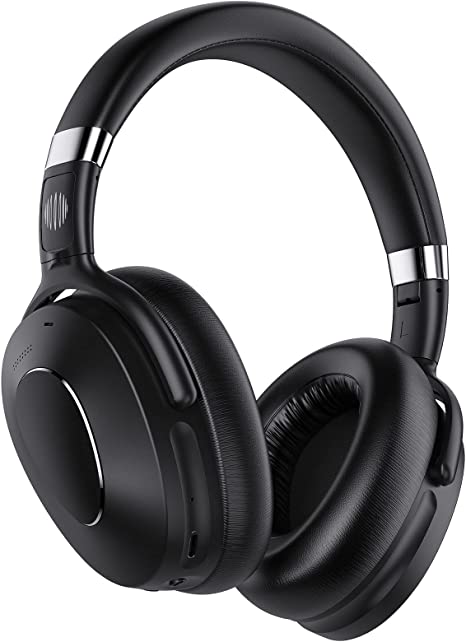
Headphones are wearable technology. Before they play a single note, they must interact with the complex geometry of the human head. The MOVSSOU SE8 receives high praise for comfort (“5.0 out of 5 stars” in reviews), yet faces criticism for its control interface.
This dichotomy—sublime comfort versus frustrating controls—is a classic case study in industrial design trade-offs. Let’s examine the materials and mechanics that define the user experience of the SE8.
The Chemistry of Comfort: Protein Leather & Memory Foam
The “cloud-like” feel reported by users stems from the material choice: Protein Leather.
Contrary to its organic-sounding name, protein leather is a synthetic fabric (usually polyurethane) combined with protein powder (often from egg shells) to simulate the microscopic breathability and texture of real skin (Material Science).
Combined with Memory Foam—a viscoelastic polyurethane aimed at distributing pressure evenly—the SE8 achieves a critical engineering goal: Passive Noise Isolation. The plush pads create a physical seal around the ear (circumaural), which is the first line of defense against noise. Without this seal, the Active Noise Cancellation (ANC) would struggle to be effective.
Field Note: The Hydrolysis Clock. Protein leather is comfortable but hygroscopic. It absorbs moisture. Over time (typically 18-24 months), sweat and skin oils will cause the PU layer to peel or “flake” (Hydrolysis). To extend the lifespan, wipe the pads dry after every use. Do not let sweat sit on them.
The Interface Friction: Aesthetics vs. Usability
User dogwokker pointedly noted: “The buttons… must have been designed by people with tiny, little fingers.”
The SE8 groups its control buttons (Volume, Power, ANC) closely together on the ear cup. This design choice favors a Streamlined Aesthetic—fewer protrusions create a sleeker silhouette and reduce wind noise (drag) across the surface.
However, this sacrifices Tactile Navigation. In a blind test (wearing the headphones), closely spaced, small buttons are difficult to distinguish by touch alone (Ergonomics). This forces the user to memorize the spatial layout rather than relying on distinct tactile cues.
So What?: Expect a learning curve. You will likely press the wrong button for the first week. A common hack is to place a tiny dot of UV glue or a sticker on the center button (Power/Play) to create a tactile landmark for your thumb.
The Mechanical Hinge: Portability’s Weak Point
The SE8 features a Foldable Design, allowing the ear cups to rotate and collapse into the headband. This transforms the headset into a compact package for travel.
Mechanically, the hinge is the point of highest stress. Every fold and unfold cycle applies torque to the plastic joints and internal wiring. While convenient, the hinge is statistically the most likely component to fail mechanically over years of use (FMEA - Failure Mode and Effects Analysis).
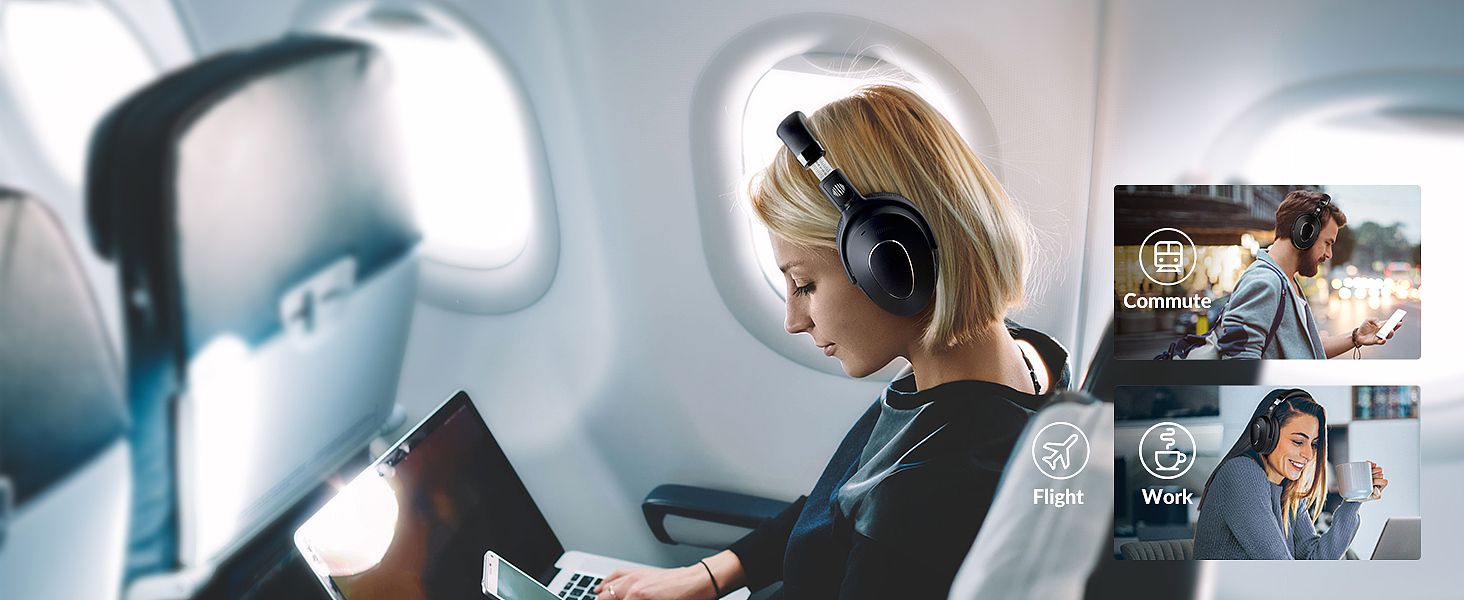
TCO Analysis (Total Cost of Ownership) * Durability: Moderate. The chassis is likely ABS plastic. Treat the hinges with care; do not force them. * Maintenance: Earpads are the primary consumable. Their eventual degradation is not a defect but a characteristic of the material. * Travel Value: High. The ability to fold into a compact case saves valuable backpack volume, a tangible benefit for commuters.
The MOVSSOU SE8 strikes a calculated balance. It invests heavily in the contact points (earpads) to ensure long-term wearing comfort, while economizing on the control interface. It is a device designed to be worn for hours, provided you have the patience to master its buttons.